EN
EN SP
SP FR
FR
- Home
- About Us
- Products
- Service
- Project
- News
- Contact Us
Pulished on Sep. 12, 2023
Building and construction needs:
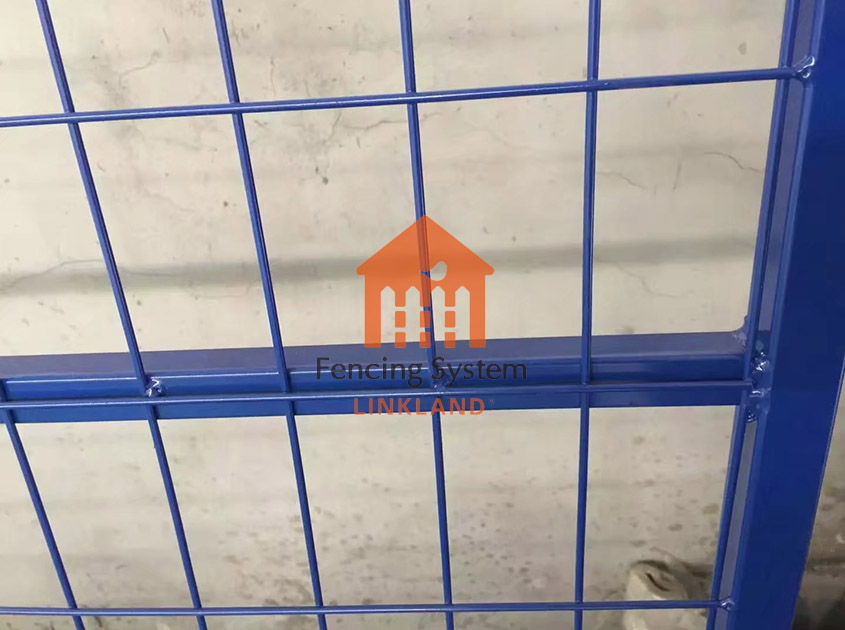
Canada temporary fence has wide demand in the building and construction industry. Temporary fencing is used to delineate construction areas, secure the site and prevent unauthorized entry. Canada's building and construction industry needs temporary fencing that is reliable, easy to install and move to meet the needs of different projects. These fences need to be able to withstand harsh weather conditions and provide adequate stability and security.
Activity and event requirements:
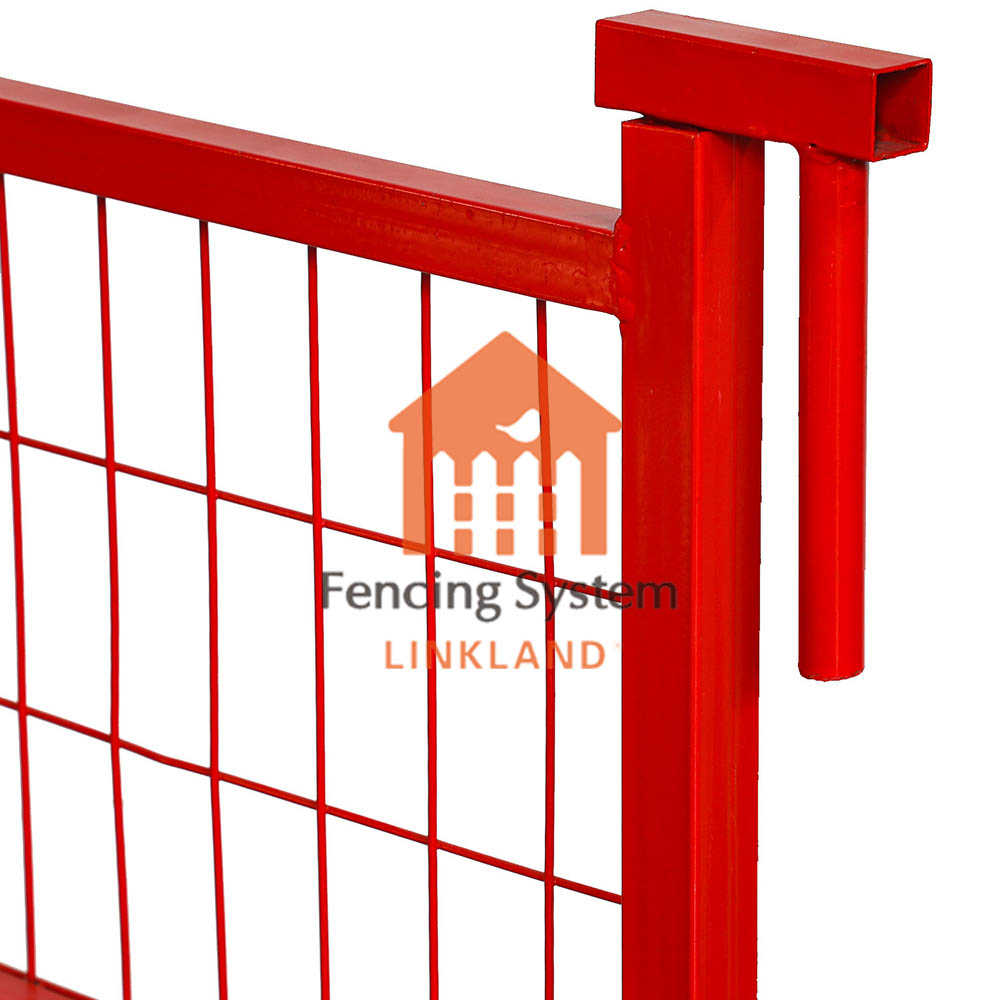
Various activities and events in Canada also require temporary fencing to organize and manage the flow of people. For example, music festivals, large sporting events and public gatherings all require Canada temporary fences to delineate event venues and control crowds. In these situations, temporary fencing needs to be able to be installed and removed quickly while remaining stable and secure. The requirements for Canada temporary fences also include the ability to adapt to different terrains and geographical conditions.
Environmental challenges:
Canada's climate conditions present challenges for temporary fencing. Cold winters, rainy springs and hot summers can all have an impact on the material and stability of your fence. Canada temporary fences need to be able to withstand the effects of the natural environment such as extreme temperatures, rain, snow, and storms. In addition, Canada’s vast geographical area and diverse terrain conditions also require temporary fences to have the ability to adapt to different environments.
Regulatory and safety requirements:
Canada temporary fences also need to meet regulatory and safety requirements. These requirements may involve aspects such as fence height, structural stability, protective performance and emergency evacuation routes. Temporary fencing manufacturers and suppliers need to ensure that their products comply with relevant Canadian laws, regulations and safety standards to protect the safety of users and the public.
How to Choose Farm Fence for Cattle and Horses: Wire, Height and Design Guide
Pulished on Sep. 23, 2026
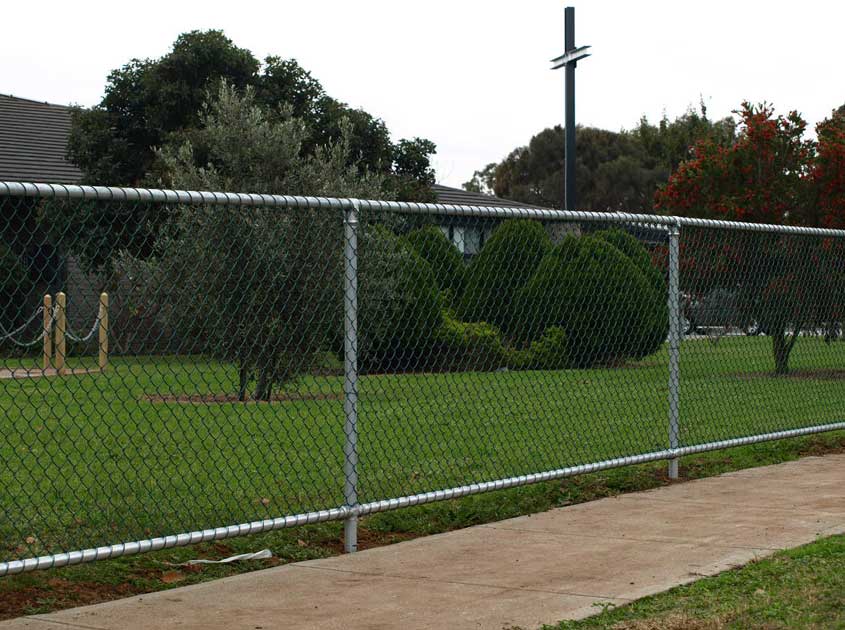
How Is Chain Link Fence Made? Manufacturing Process and Components
Pulished on Sep. 18, 2026
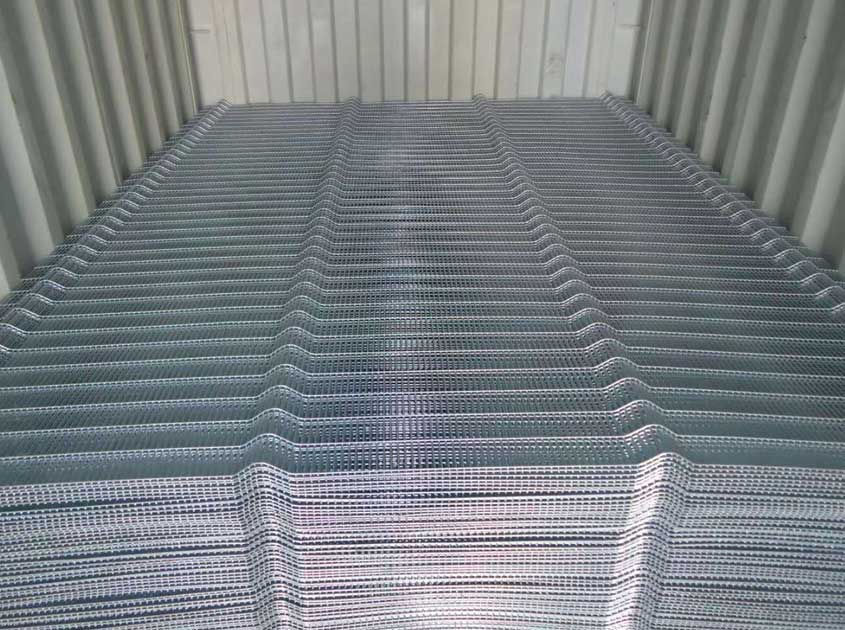
358 Security Fence vs Chain Link Fence: Security, Cost and Application Comparison
Pulished on Sep. 15, 2026
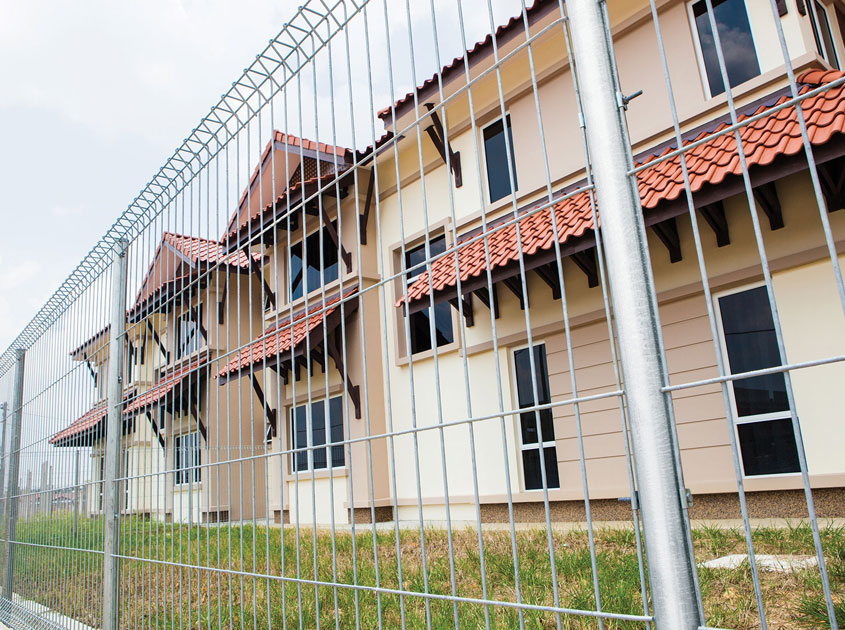
Why Choose Welded Wire Fence for Security and Protection?
Pulished on Sep. 07, 2026
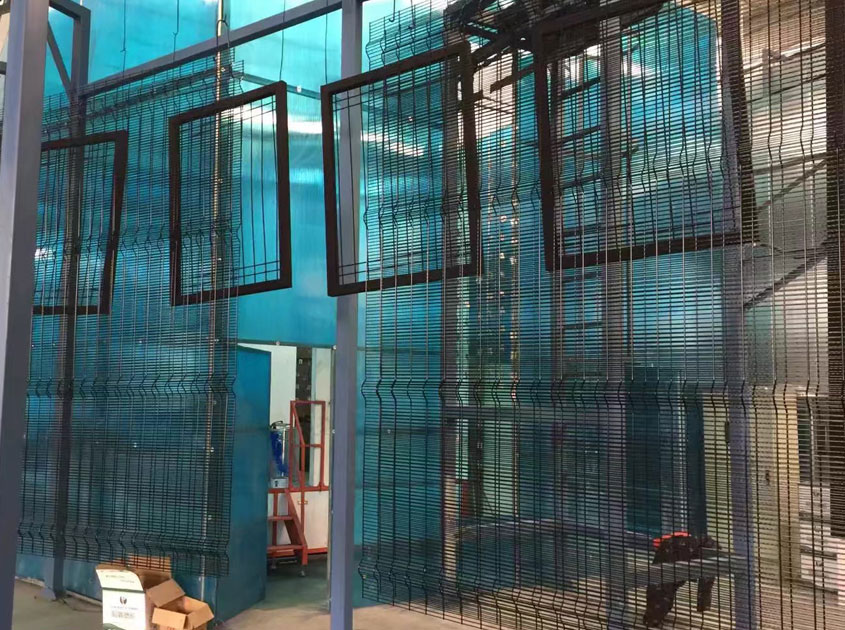
358 Security Fence Specifications and Applications Guide
Pulished on Aug. 27, 2026
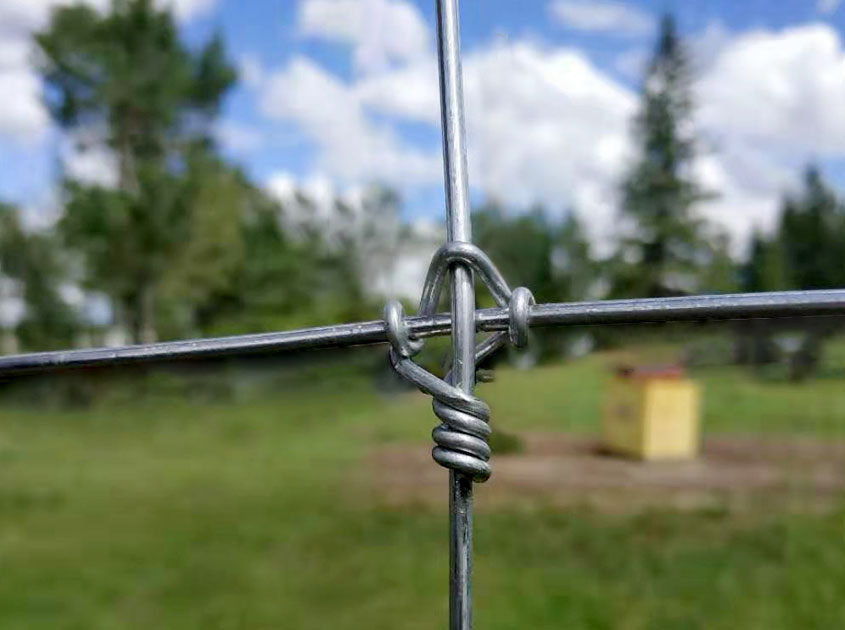
What Is Farm Fence and What Are the Main Types?
Pulished on Aug. 26, 2026
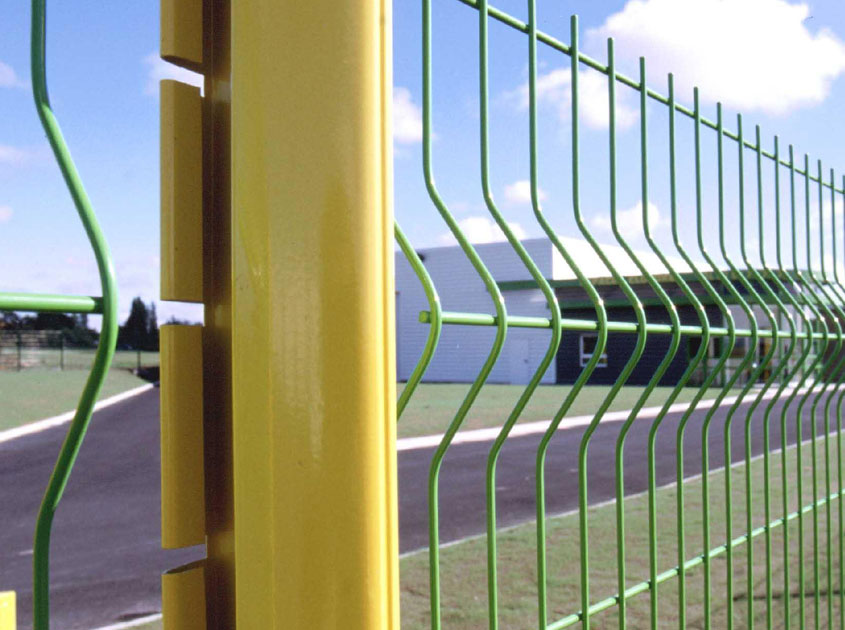
Welded Wire Fence Types, Sizes and Applications Guide
Pulished on Aug. 20, 2026
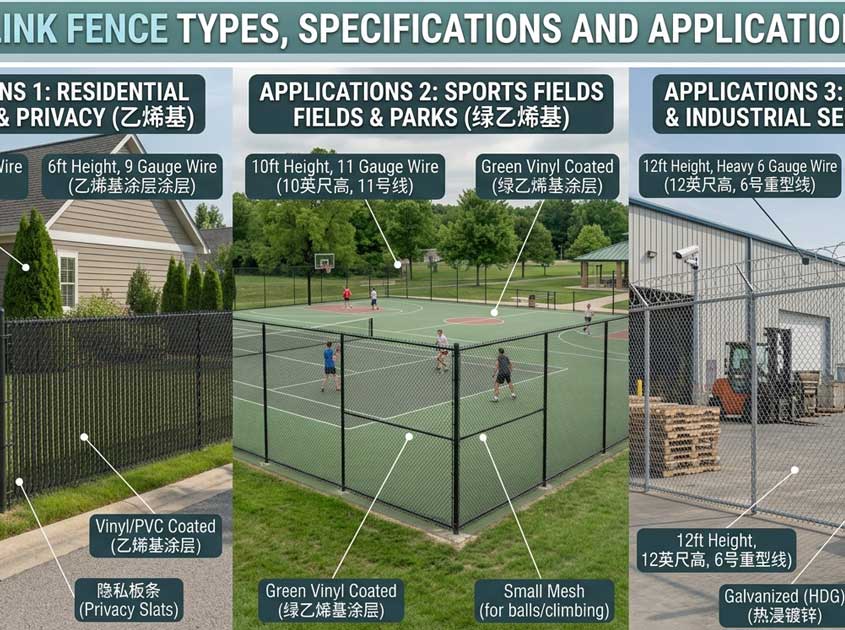
Chain Link Fence Types, Specifications and Applications Guide
Pulished on Aug. 12, 2026
How to Choose Farm Fence for Cattle and Horses: Wire, Height and Design Guide
Pulished on Sep. 23, 2026
How Is Chain Link Fence Made? Manufacturing Process and Components
Pulished on Sep. 18, 2026
358 Security Fence vs Chain Link Fence: Security, Cost and Application Comparison
Pulished on Sep. 15, 2026
Why Choose Welded Wire Fence for Security and Protection?
Pulished on Sep. 07, 2026
358 Security Fence Specifications and Applications Guide
Pulished on Aug. 27, 2026
What Is Farm Fence and What Are the Main Types?
Pulished on Aug. 26, 2026
Welded Wire Fence Types, Sizes and Applications Guide
Pulished on Aug. 20, 2026
Chain Link Fence Types, Specifications and Applications Guide
Pulished on Aug. 12, 2026